
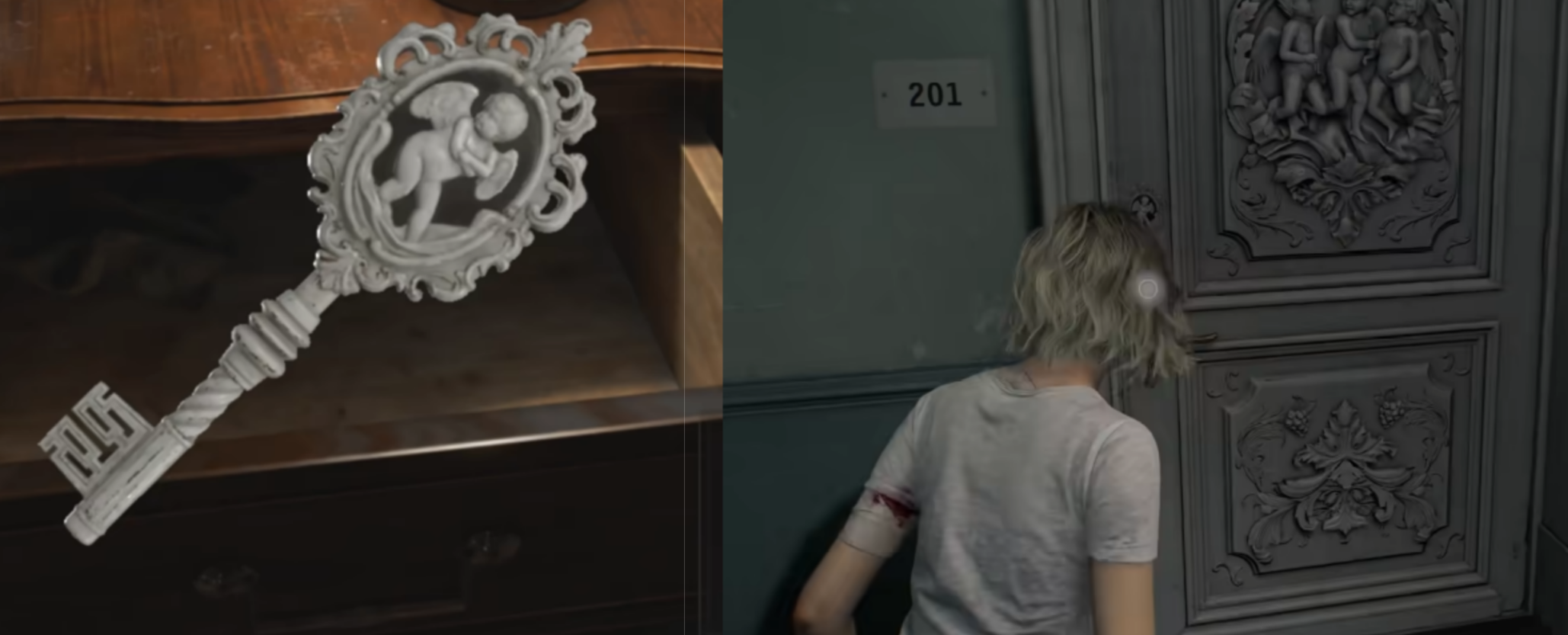
Early in Grace’s exploration of the care facility in Resident Evil 9, she finds a key marked with the same emblem as a locked door. If the player remembers the door, the key suggests a destination without a new entry on a task list. Learning to climb walls in Hollow Knight: Silksong offers no such precise direction. Instead, the player has a reason to look again at the shape of rooms they thought they had finished exploring.

Both games use locks to guide play, but what matters is what the player takes away from opening one. An item can serve its purpose and disappear. An ability remains useful long after the first obstacle. In Outer Wilds, the key is something the player learns, and it need never enter the character’s inventory at all.

Item locks: giving the player a destination
The matching emblems in Resident Evil 9 work in both directions. The door gives the player something to look for; the key, once found, gives them somewhere to go. Designers who know the player is likely to return to a particular door can use the route back to place enemies and supplies or choose when a story beat lands. In a horror game, the stretch between finding a key and reaching the relative satisfaction of using it is part of the level, not just a walk back.
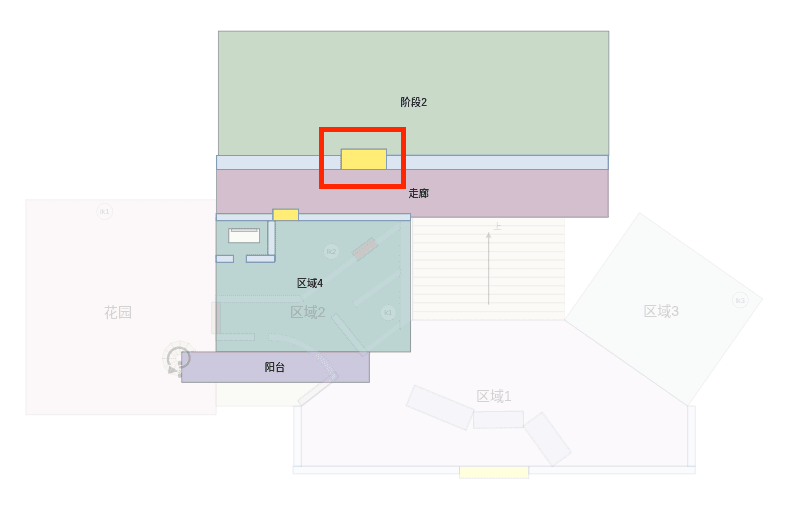
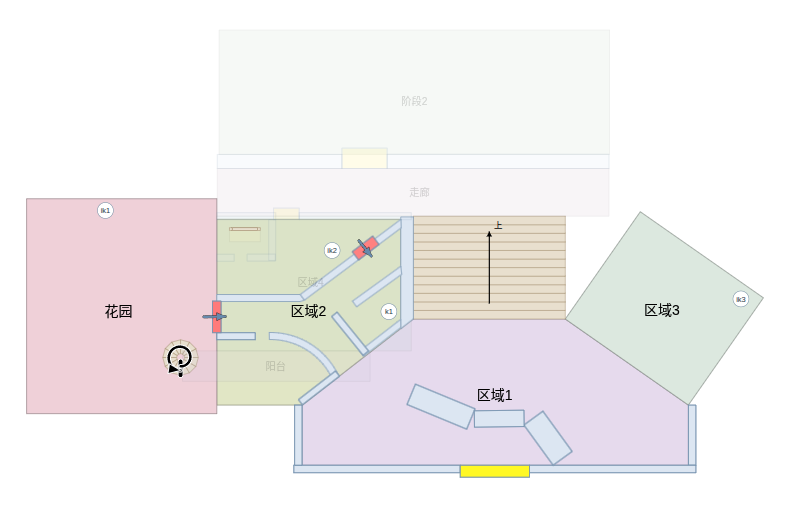
A hypothetical mansion illustrates what this means for the people building it. A detective, summoned by a mysterious letter, must find three keys scattered through the first section to open a door on the second floor. Once the team agrees on that threshold, one group can lay out the search for the keys while another builds what lies beyond the door. Neither needs to wait for the other to finish its rooms.
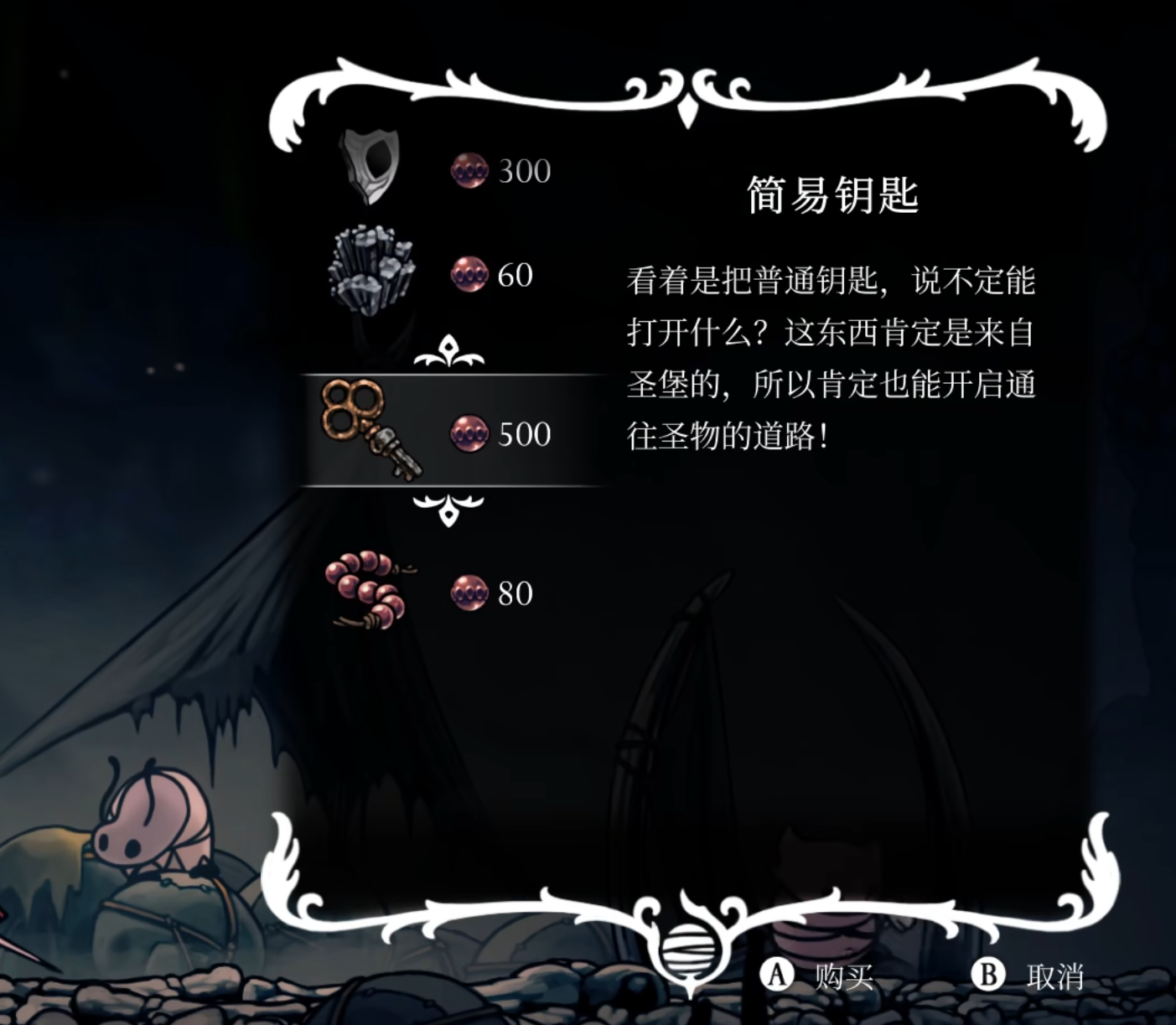
An item lock need not dictate the main route. In Silksong, Simple Keys can be bought or found during play. Few areas require an item to open, and handing one over is not the usual means of advancing the main journey. Here, a key in the inventory is less a direction to follow than an invitation to investigate a branch of the map.
Ability locks: turning access into a skill
A wall climb opens a route, but reaching the top of the wall does not use up the climb. Silksong makes that distinction count in a secret room in Far Fields. Wall climbing and a needle dash let the player reach the room; at the far end, the challenge is to combine those same moves to defeat enemies while touching the ground as little as possible. Getting in tests whether the player has the abilities. The fight tests what they can do with them.
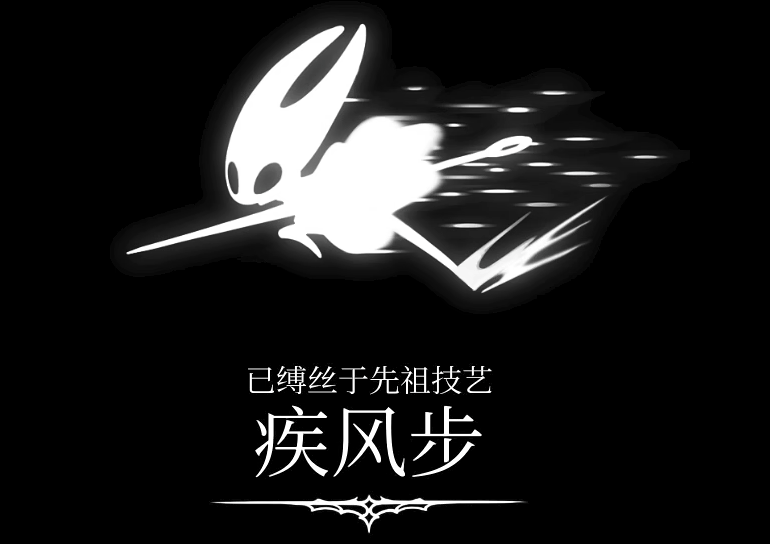
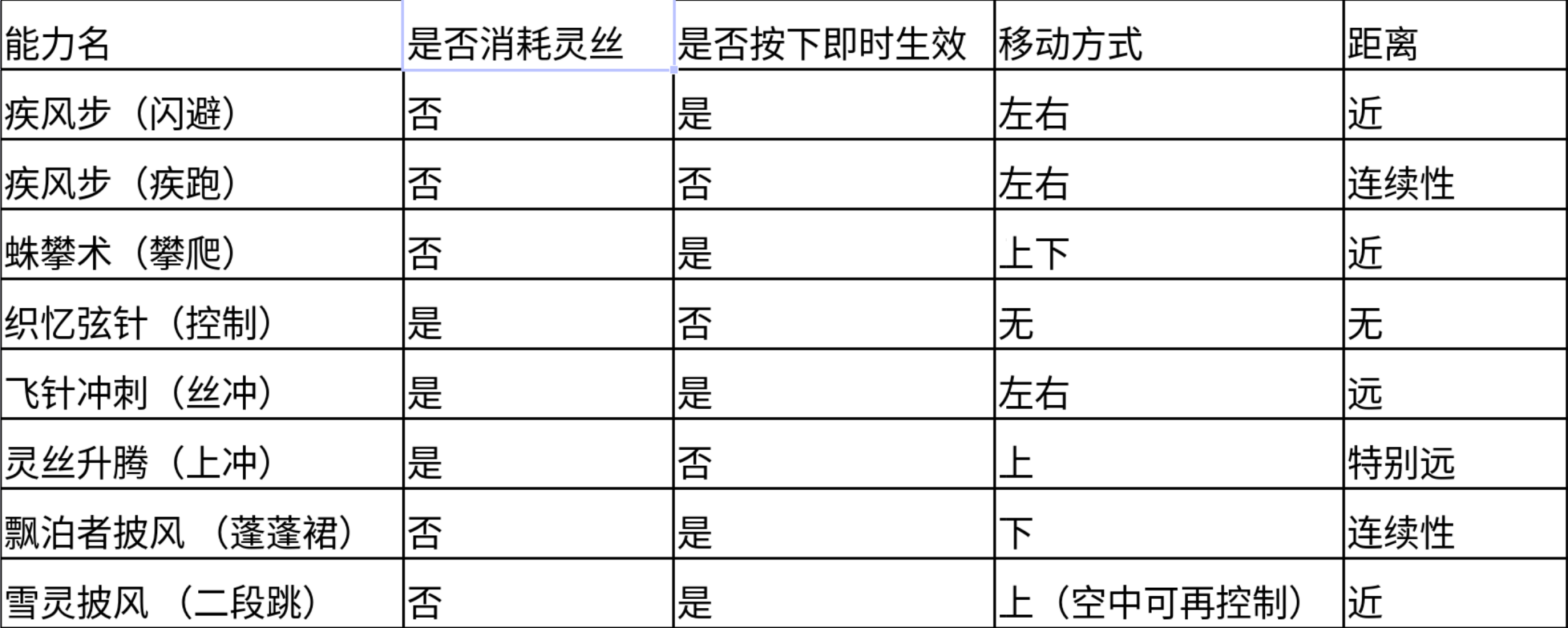
Designing for that second test means giving abilities distinct jobs and accounting for when players acquire them. A mandatory route cannot reasonably demand a move the player has yet to learn. An optional route can: an inaccessible passage gives the player something to recognize later. A new move can thus change the value of an old area without changing its layout.
Knowledge locks: changing what the player understands
Outer Wilds gives the player their abilities at the outset. What changes from one loop to the next is their understanding of the world. A piece of text or an observed natural phenomenon can explain something encountered elsewhere, giving the next expedition a purpose without requiring a new tool. Part of the pleasure is realizing that the way forward was available before the player knew how to recognize it.
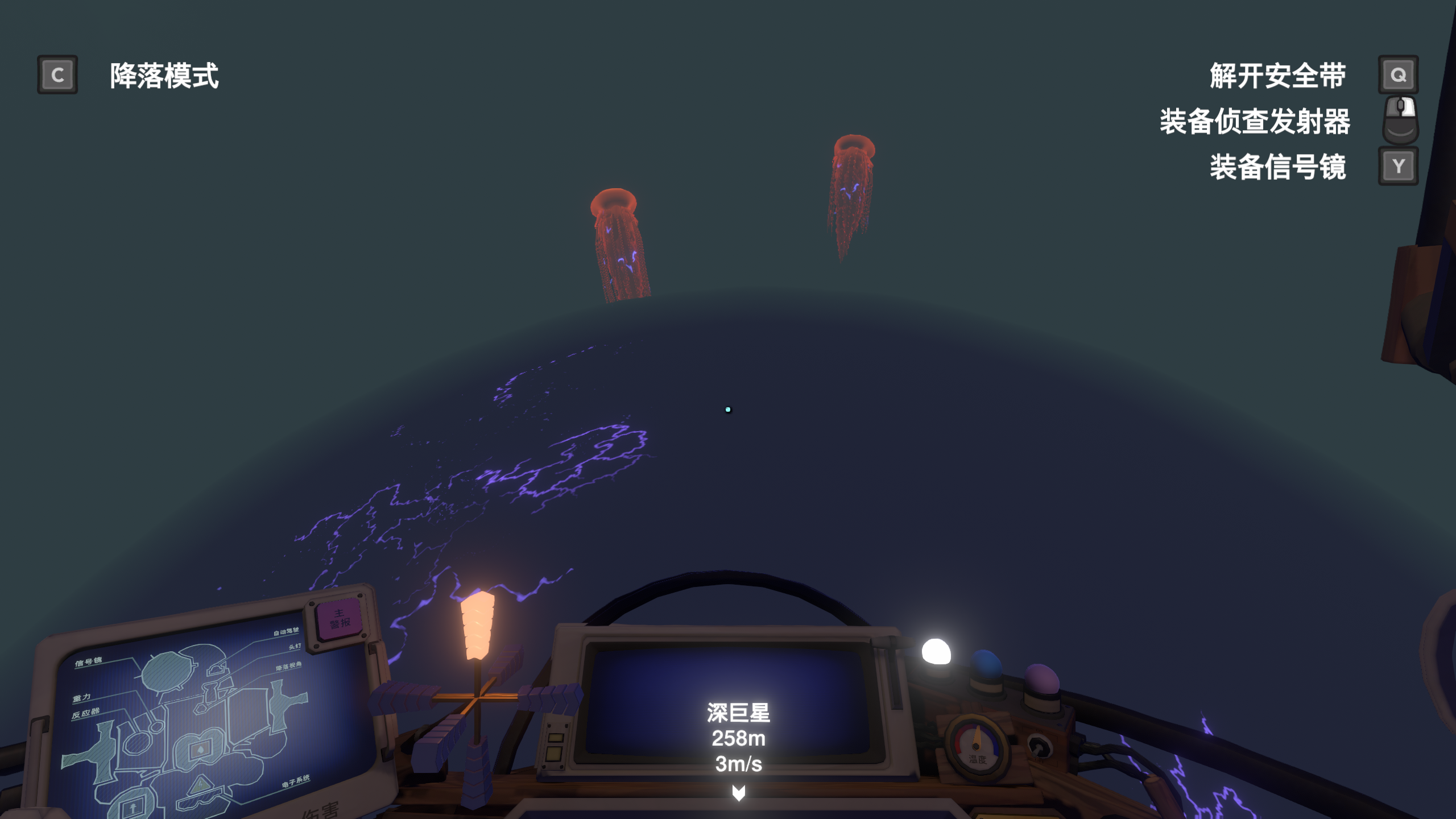
That makes knowledge the least reliable of the three locks for enforcing a sequence. A player who already knows the answer need not visit the clue; one who found it and then took a long break may no longer remember it. The creator of Öoo said in an interview that the game was deliberately kept short so players could finish it in one sitting rather than return after a break and get stuck because they had forgotten what they learned.
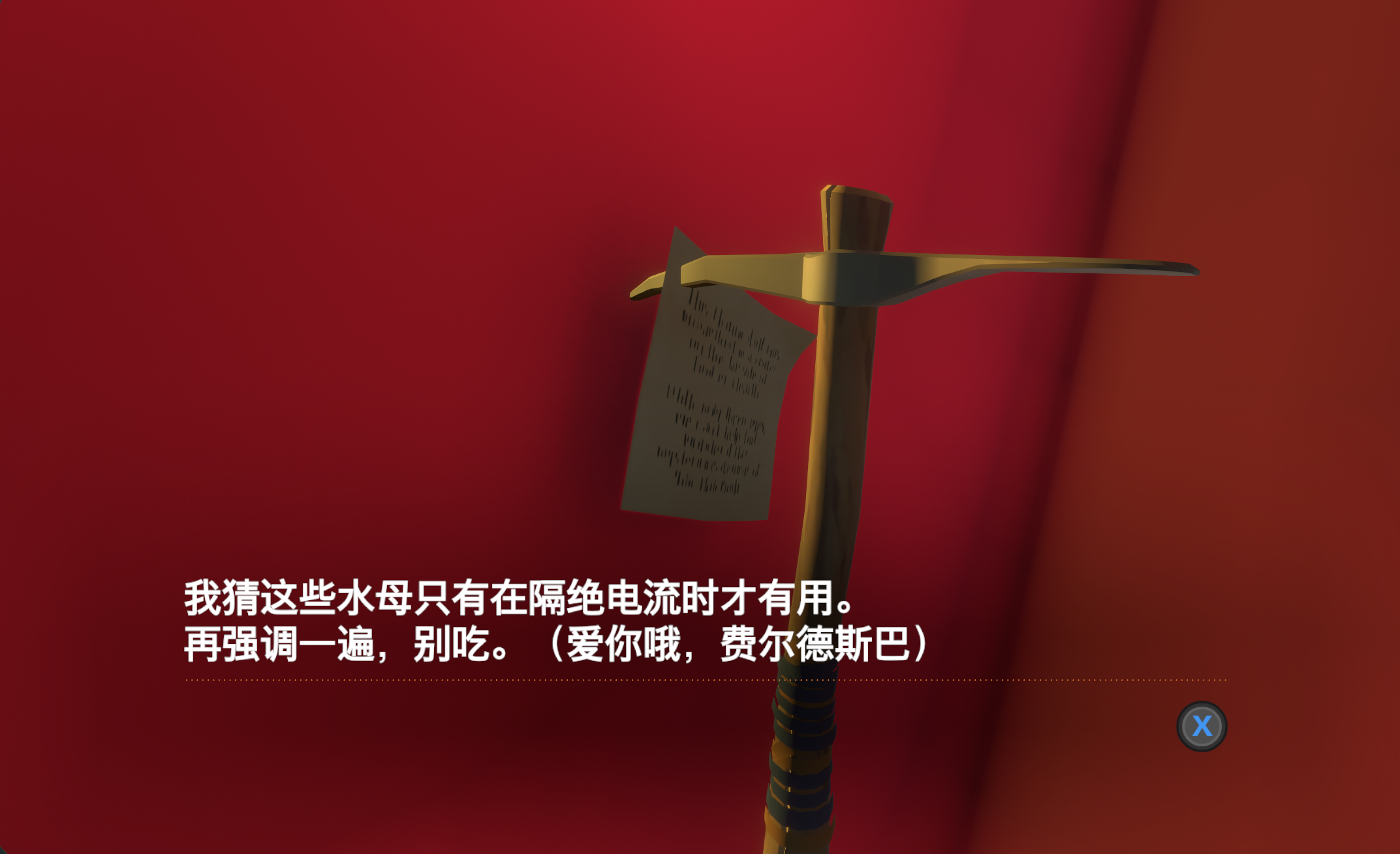
The practical distinction is what a designer wants to happen on the player’s return. The emblem in Resident Evil 9 sends Grace back to a particular door. A movement ability in Silksong makes familiar surfaces newly useful. In Outer Wilds, neither the place nor the player’s equipment needs to change: the discovery is in seeing what was possible there all along.