As of November 19, 2026, MLB teams were approaching a possible lockout at midnight on December 1. An ESPN offseason analysis mapped out how major free-agent decisions could unfold before then. Its proposed destinations were scenarios, not reported signings.


The first move in that scenario is two-time Cy Young winner Tarik Skubal signing with the New York Mets. ESPN described the Mets as the favorites, citing Jeff Passan’s reporting and the Los Angeles Dodgers’ preference for a shorter commitment. Where Skubal lands could shape the rest of the pitching market.


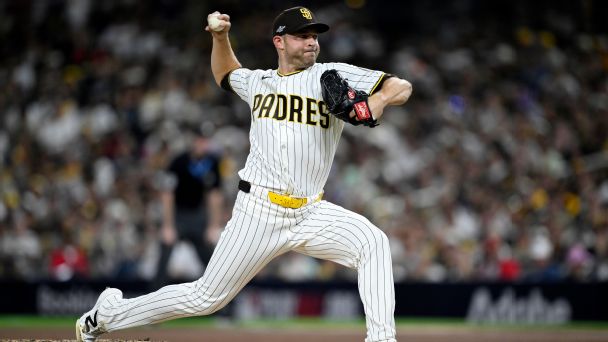
The analysis then projects Michael King returning to the San Diego Padres, where he has a 3.15 ERA over three seasons. It sends Trevor Rogers to the Toronto Blue Jays, Freddy Peralta to the Baltimore Orioles, and Kaima Taira to the Chicago Cubs, who would also re-sign Clay Holmes. Rogers declined Baltimore’s qualifying offer; ESPN noted that signing him would cost Toronto draft picks and $1 million in international pool money.


Among hitters, the proposed moves are Randy Arozarena to the Philadelphia Phillies, Seiya Suzuki to the Padres, Jazz Chisholm Jr. to the Blue Jays, Brandon Lowe to the New York Yankees and Teruaki Sato to the Los Angeles Angels. The analysis closes with a possible Dodgers move for Padres reliever Adrian Morejon rather than another starting pitcher.


These moves depend on choices the teams and players had not made when the analysis was published. The lockout, too, was described as impending—not as an event that had already begun.