At the Golden Rooster Film Market in Xiamen, filmmakers and industry representatives discussed how to reach audiences at home and abroad while adapting to a weaker box office and new production tools. This account reflects reporting published on November 18, 2026, following market events held during that month’s China Golden Rooster and Hundred Flowers Film Festival.


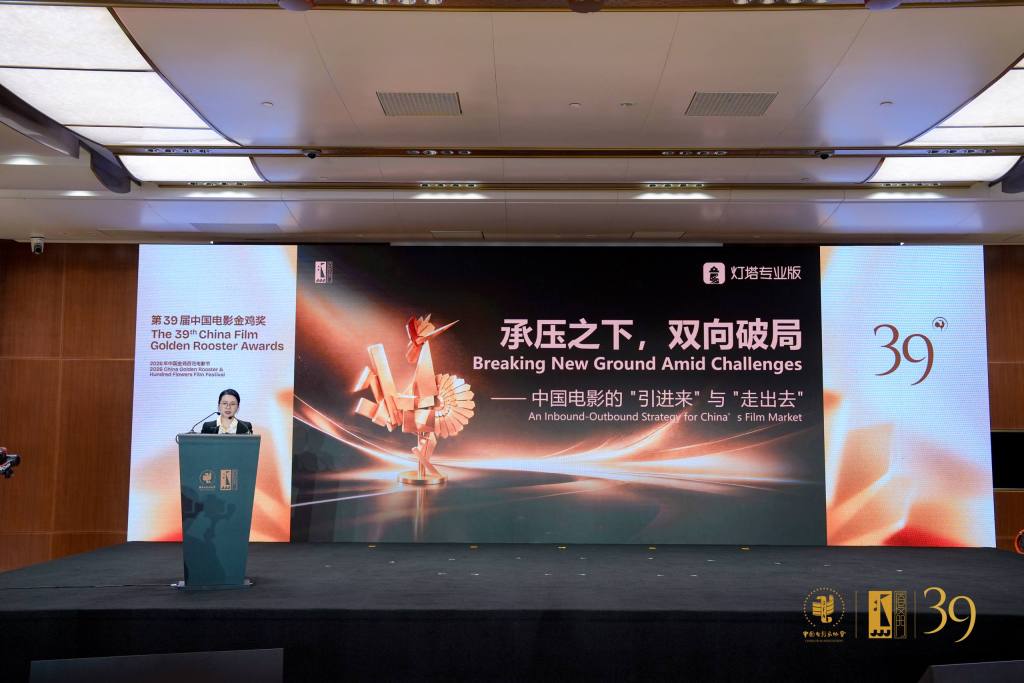
At the market’s November 7 opening, Wang Shu, general manager of Damai Entertainment’s Lighthouse Professional Edition, presented an industry report showing that China’s box office totaled 31.6 billion yuan from January through October 2026, down 29% year on year. The number of operating screens had risen to 84,125, while 34% of screenings had no audience, according to the report. It argued that the industry needed to become more open both to imported films and to opportunities overseas.
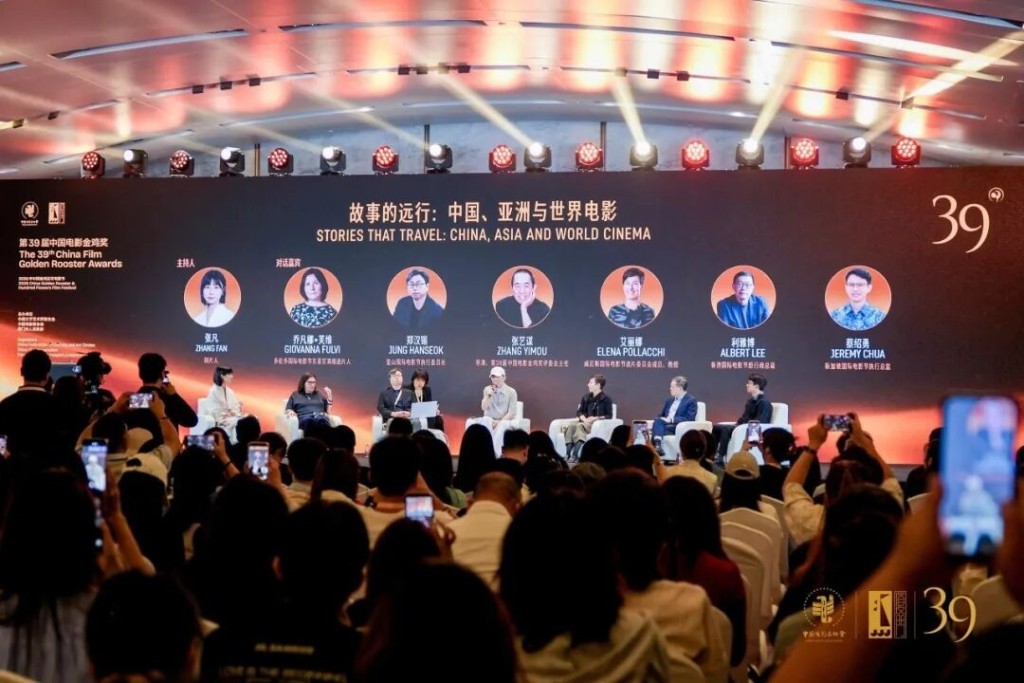
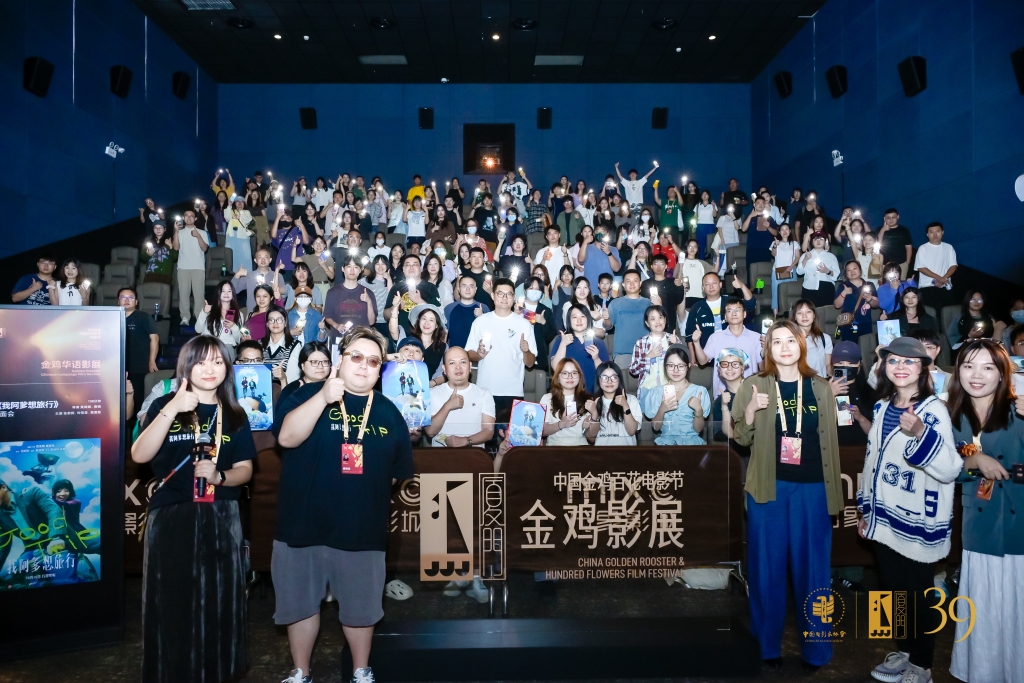
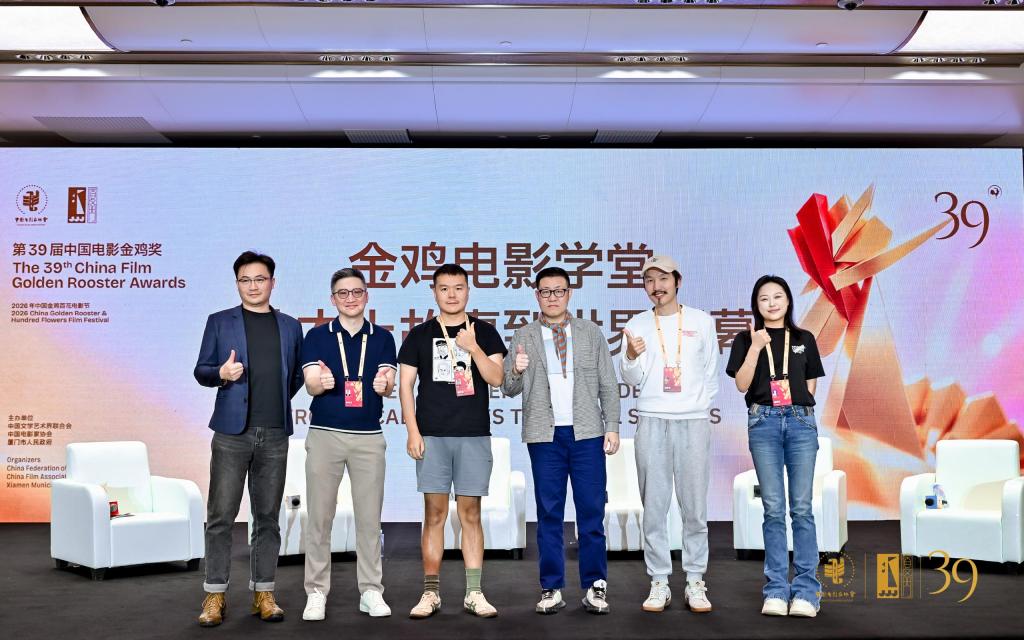
International distribution was a recurring theme. At a roundtable, Malaysian distributor Xie Junjiang described efforts to reach different audiences through community partnerships, themed premieres and cast appearances. He cited 《给阿嬷的情书》, a film about family ties across borders that had screened in several countries and won two prizes at the 39th Golden Rooster Awards. Festival representatives also discussed how films might connect with viewers across cultures.


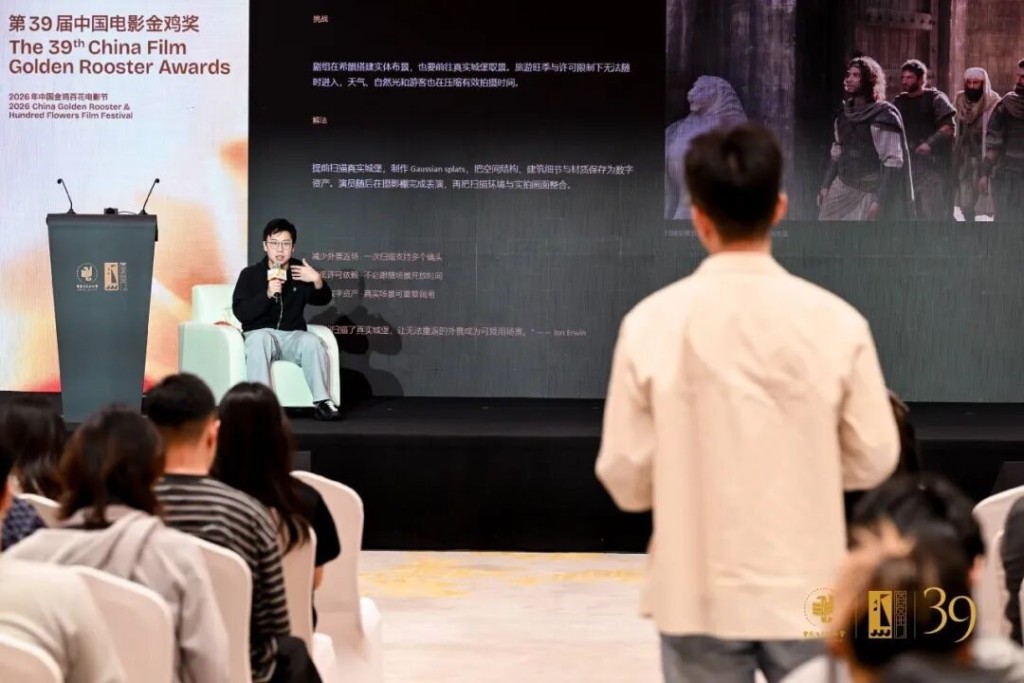
Technology drew both interest and caution. The market’s first AI film section received 1,273 submissions and selected 20 works for screening. Director Zhang Yimou said AI could make filmmaking tools more accessible, but urged young creators to keep scripts and stories at the center of their work. His suggestion that AI-generated images might become convincingly realistic within three to five years was a prediction, not a reported achievement.
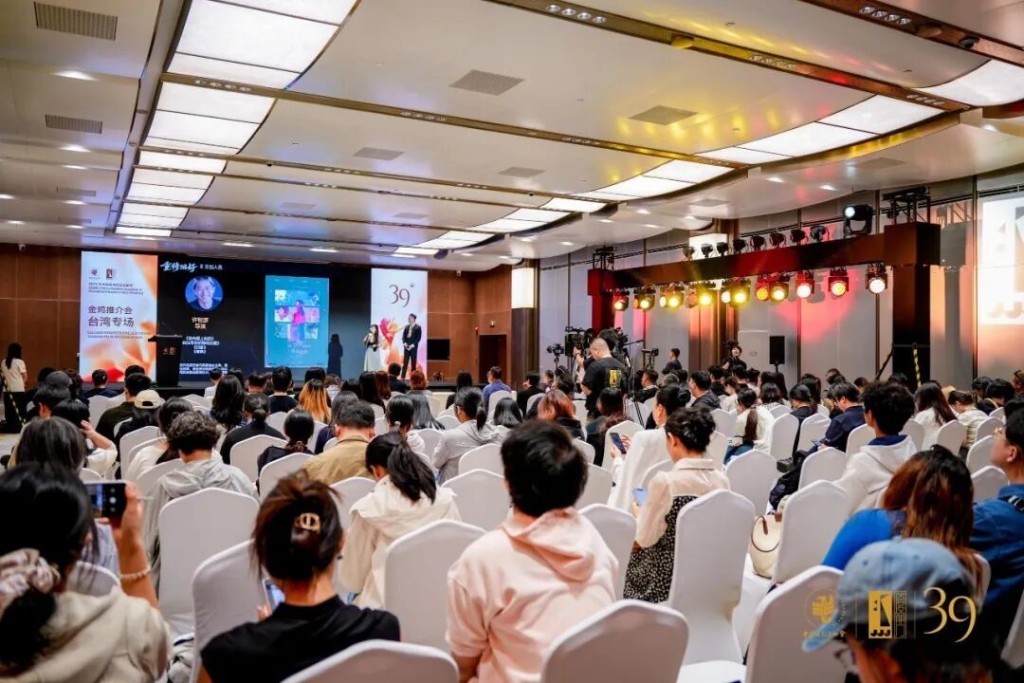

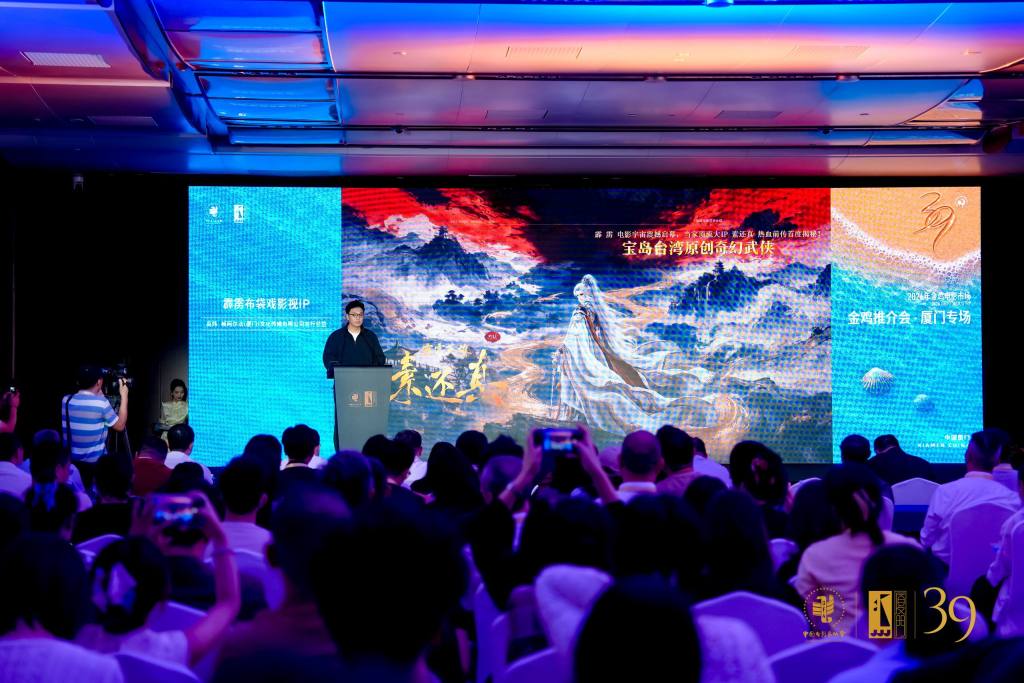
The market also brought projects before potential partners through four pitching sessions focused on Xiamen’s film industry, Greater Bay Area collaboration, Taiwan films and Chinese stories. Project meetings addressed distribution, rights transactions and adaptations. Separately, Xiamen announced 177 signed cultural and film-industry projects with a stated total value of 31.86 billion yuan; the announcement does not establish that all that investment had been completed.
The Lighthouse report pointed to changing viewing habits as another challenge: it put the average audience age in 2026 at 34.3 and said solo moviegoing accounted for 35.6% of attendance. Together, the figures and discussions framed the market’s central question: how to support distinctive films and find audiences for them as both the business and the tools of filmmaking change.